Skip to content
The Imperial Palace (Forbidden City)
BEIJING · BEIJING · PLACE · 4-6 HOURS

The Imperial Palace (Forbidden City)

The Forbidden City is the heart of imperial China — the largest and most complete wooden palace complex in the world, home to 24 Ming and Qing emperors across nearly 600 years and now the Palace Museum.

What it actually is

The Imperial Palace, better known as the Forbidden City, sits at the exact center of Beijing on the city's historic north-south axis. Commissioned under the Ming dynasty and completed in 1420, it served as the seat of imperial power for 24 emperors across the Ming (1368-1644) and Qing (1644-1912) dynasties. The complex spans roughly 720,000 square meters with hundreds of timber buildings and thousands of rooms, all arranged around a strict ceremonial geometry that expressed the absolute authority of the emperor. The outer court is anchored by the three great halls — the Hall of Supreme Harmony, the Hall of Central Harmony, and the Hall of Preserving Harmony — while the inner court holds the private living quarters and the Imperial Garden at the northern end. Since 1925 it has operated as the Palace Museum, whose collection numbers well over a million artifacts.

Why it’s worth going

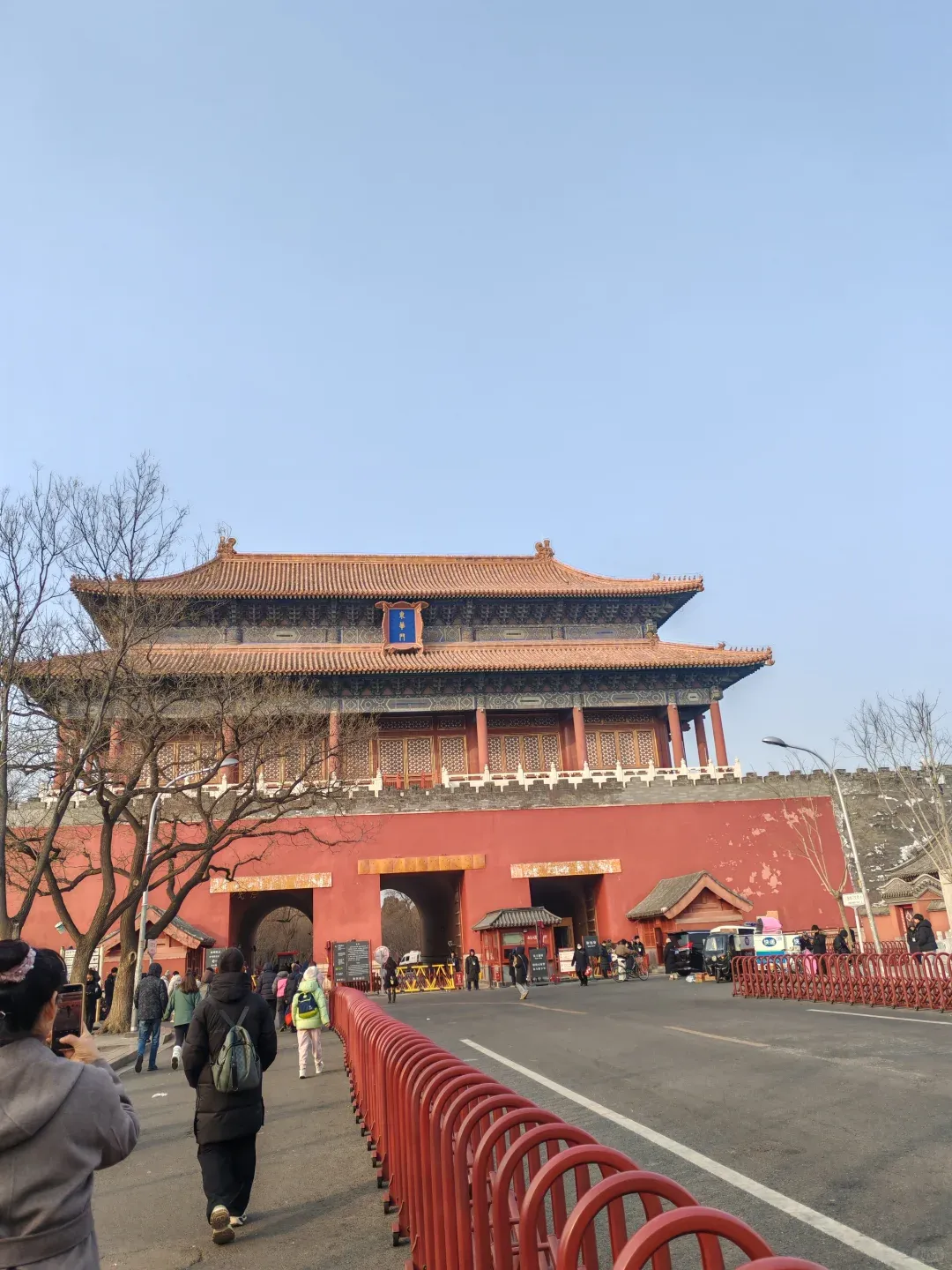
The Forbidden City is not just a museum — it is the living memory of imperial China. Walking through its gates feels like stepping into six centuries of history, where every roof tile, painted beam, and carved marble balustrade was designed to express the power of the Son of Heaven. It is a UNESCO World Heritage Site and the single most-visited palace complex on Earth. Allow at least half a day; arrive early, and consider entering through a side gate to skip the heaviest crowds at the main Meridian Gate.

What not to miss

Hall of Supreme Harmony (Taihe Dian)

The largest and most important building in the Forbidden City, where emperors were crowned and the grandest state ceremonies were held. Its massive timber framework — built without a single nail — has withstood earthquakes for centuries.

Imperial Garden

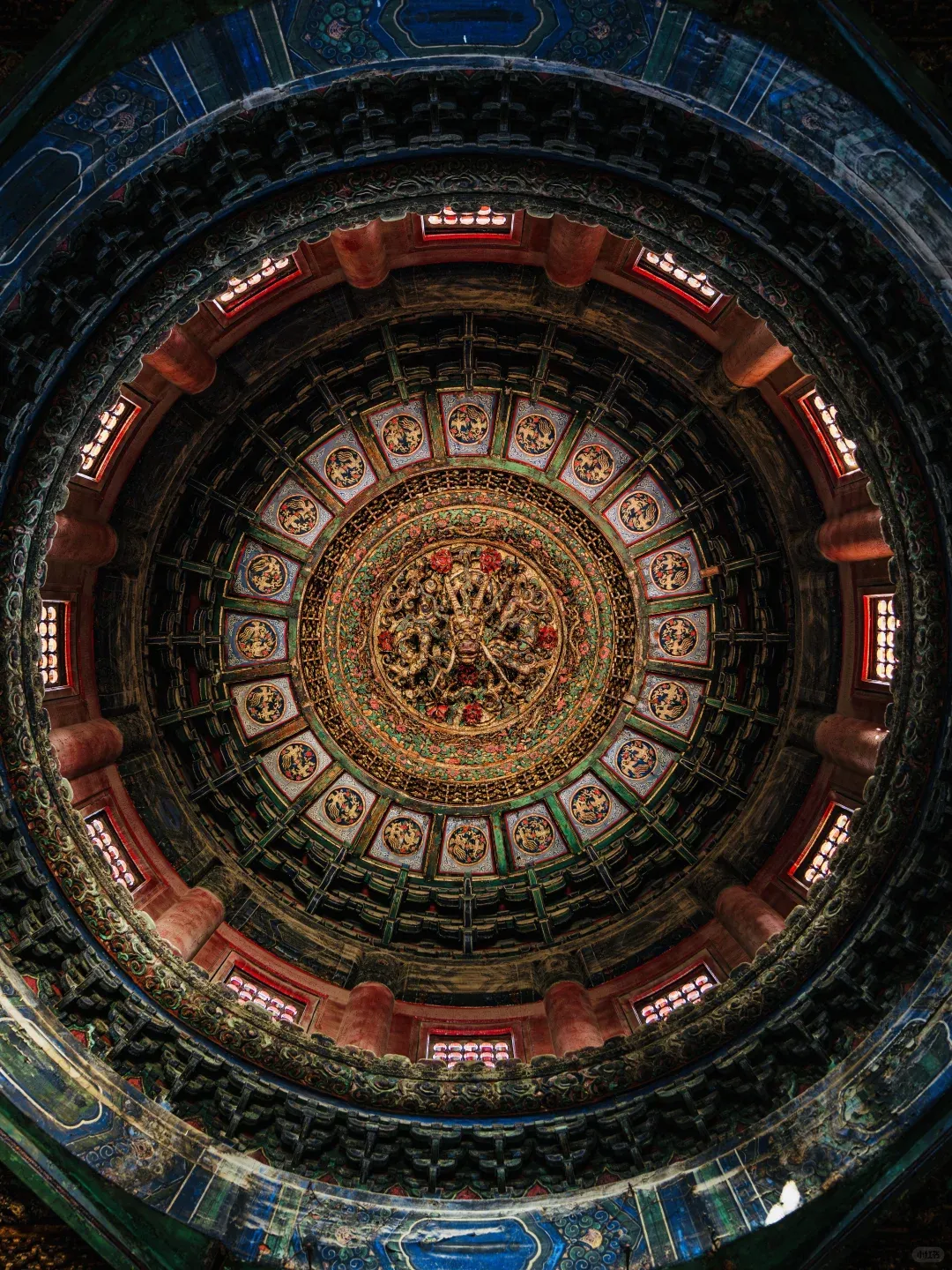
At the northern rear of the palace, this classical Chinese garden features ornate pavilions, ancient cypress trees, rockeries, and the intricate caisson ceilings that represent the peak of Ming-era craftsmanship.

Palace Museum Collection

The museum holds well over a million cultural artifacts — imperial jade, gold, bronzes, calligraphy, painting, and ceremonial objects. The Treasure Gallery and Clock Gallery showcase some of the most exquisite pieces from the imperial collection.

The three great halls and the central axis

The outer court unfolds as a sequence of vast marble terraces and golden-roofed halls along Beijing's historic axis — the clearest expression anywhere of how imperial China staged power through architecture.

Tips from locals

  • Take metro Line 1 to Tiananmen East or West, then walk north through the Meridian Gate
  • Bring sun protection — there is almost no shade inside the palace, and summers are hot
  • Carry your own water; on-site cafes are limited and lines can be long
  • Wear comfortable walking shoes — the complex is enormous and almost entirely on foot
  • Book entry in advance through the official channel and bring your passport; same-day tickets are often sold out in peak season
BEST TIME TO VISIT

Month by month.

April-June and September-October for mild, clear weather; closed Mondays except public holidays

JanuarySnow on golden roofs

Cold and quiet. A fresh snowfall over the golden rooftops is one of Beijing's most memorable sights.

FebruarySpring Festival

Heavy domestic crowds during the Lunar New Year holiday; clearer, calmer days follow.

MarchEarly spring

Cool and breezy. Crowds still light before the spring travel season.

AprilBlossoms by the moat

Mild weather and cherry blossoms along the surrounding moat. One of the best months to visit.

MayComfortable spring

Warm, pleasant days. Arrive early to stay ahead of the larger tour groups.

JuneWarming up

Hot and increasingly humid. Bring water and start as early as possible.

JulyHot and humid summer

Peak heat and afternoon storms. Little shade inside — sun protection essential.

AugustSummer crowds

Busy school-holiday season. Morning visits are far more comfortable.

SeptemberCrisp and clear

Heat breaks and skies turn blue — the start of Beijing's finest season.

OctoberGolden autumn

Avoid the first National Day week for crowds; the rest of the month offers clear skies and golden light.

NovemberLate autumn quiet

Cool, dry, and far less crowded. Crisp light over the courtyards.

DecemberWinter calm

Cold and uncrowded. Bare trees and dramatic architecture, with the chance of snow.

NEARBY

What's around.

Jingshan Park

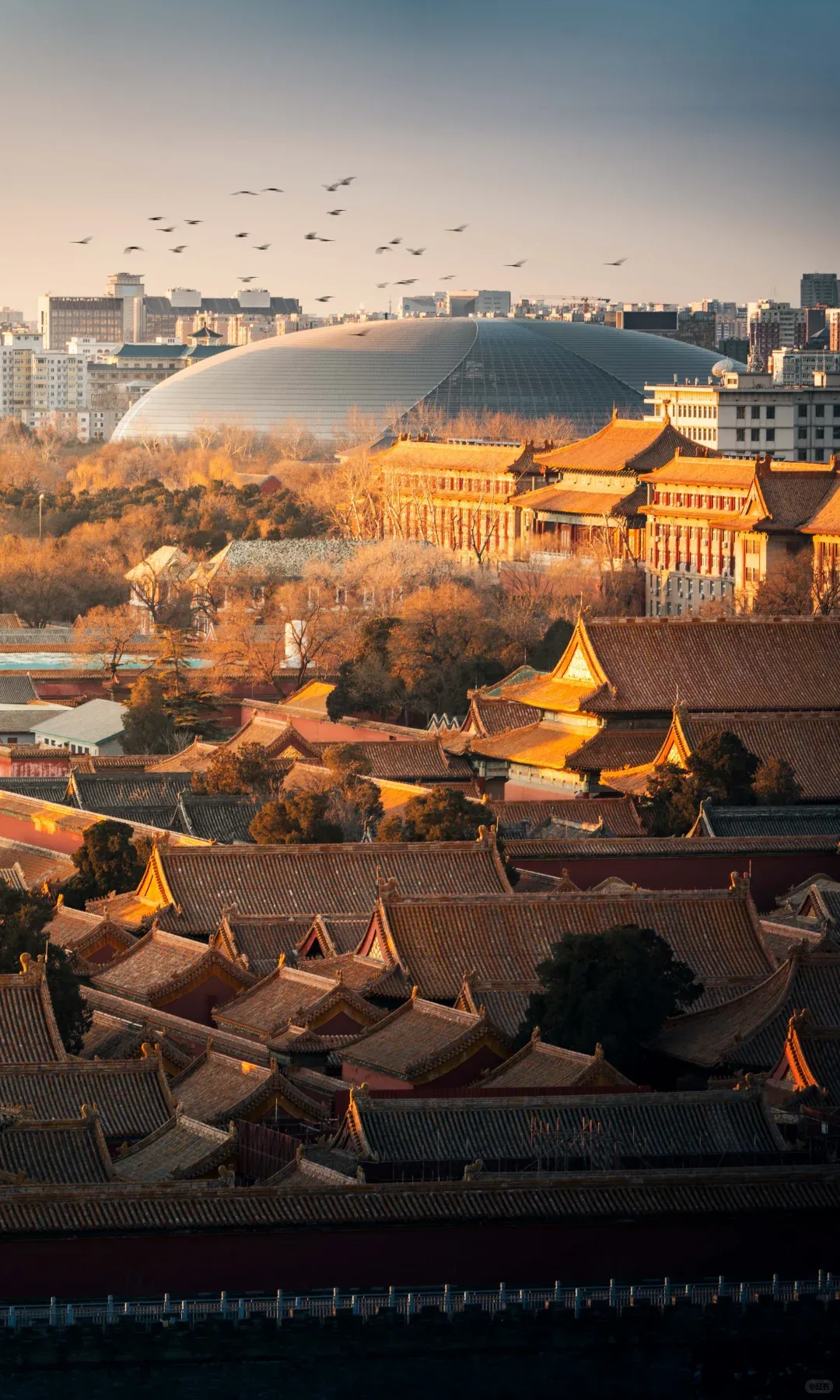
A hill park directly north of the Forbidden City. A short climb rewards you with the iconic top-down view across the entire palace roofline — the best panorama in Beijing.

Tiananmen Square

The vast ceremonial square south of the palace, flanked by the Great Hall of the People and the National Museum. The traditional gateway to the Forbidden City.

Beihai Park

A former imperial garden built around a lake, with the white Tibetan-style dagoba on Jade Flower Island. A short walk west of the palace.

Temple of Heaven

The Ming-Qing imperial altar complex where emperors prayed for good harvests. A UNESCO site about 20 minutes south by metro.

Similar in Beijing